Sun-Kissed Roots and the First Vine
Peter Britt broke ground in 1857, planting the Rogue Valley’s inaugural vines. It wasn’t just a planting; it was a declaration.
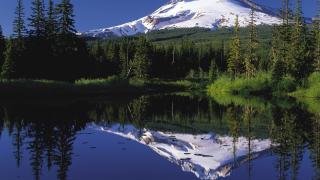
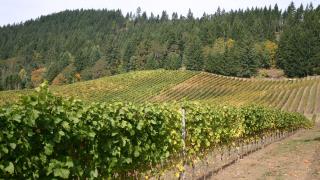
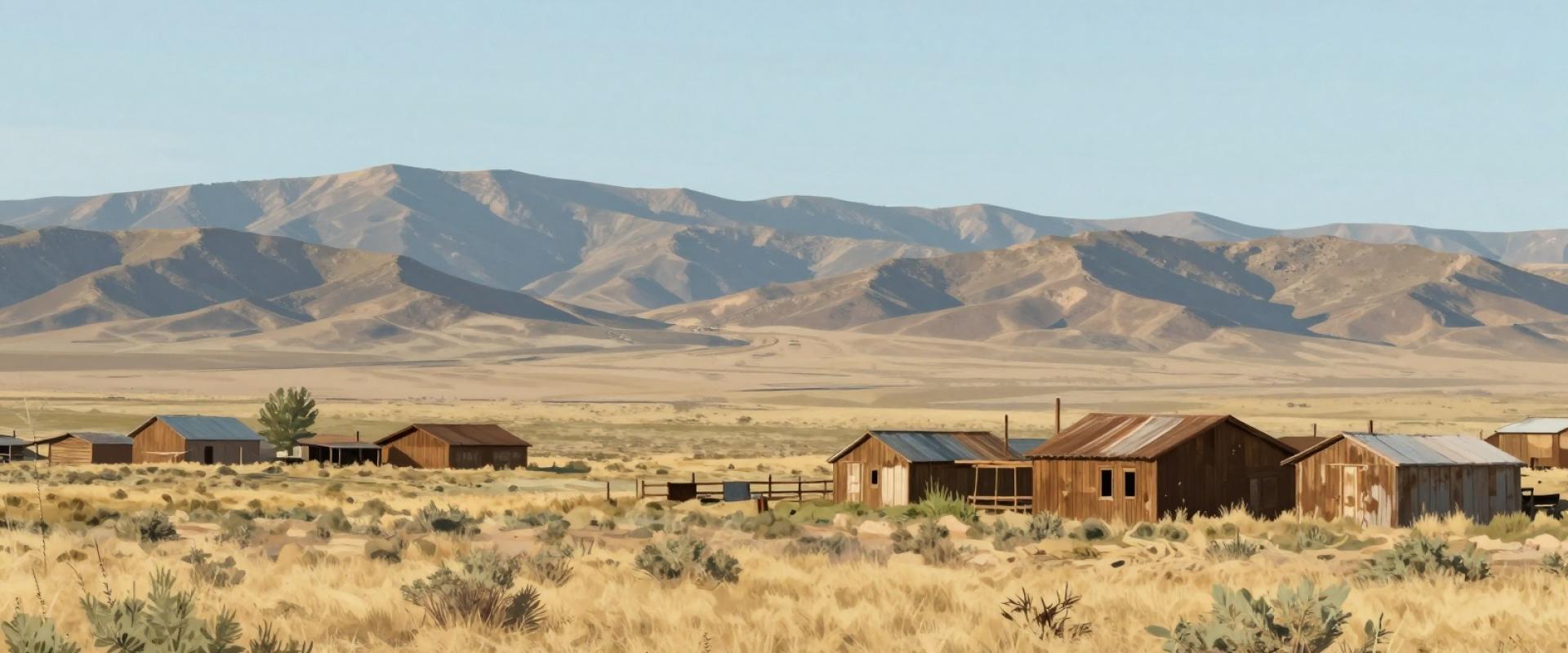
Here, the Siskiyou and Cascade ranges collide, trapping heat in a golden-hour-lit basin that feels suspended in time. This specific topography does more than frame a view—it nurtures over seventy distinct varietals. Warm afternoons surrender to crisp nights, a diurnal dance that locks in acidity while deepening flavor profiles. Such natural advantages have firmly established the area as a premier wine destination, long before the term "terroir" became a buzzword.
Vintages of the Valley: A Curator’s Selection
The Rogue Valley’s dramatic topography, framed by the Cascade and Siskiyou ranges, drives temperature swings of up to 70°F between day and night. This intense cooling locks in acidity while deepening flavor profiles, a crucial balance for the region’s more than 70 grape varieties.
Consequently, the landscape supports an eclectic mix, ranging from cool-climate Pinot Noir to sun-kissed Syrah. This diversity is not accidental; it stems from the unique interplay of high-elevation sunshine and cooling valley breezes.
Visitors often explore historic producers like The Eyrie Vineyards and Domaine de Soto, each reflecting the area’s distinct terroir. These estates showcase how specific microclimates shape character, offering a nuanced experience that standard wine regions often lack.
Ultimately, this natural complexity invites both refined dining and rugged outdoor adventure. The region’s unique climate ensures that every bottle tells a story of place, distinguishing it sharply from other Oregon wine destinations.
Echoes in Ashland’s Historic District
Walk the streets of Ashland, and you are stepping into a living 19th-century photograph. The restored Oregon Hotel and the historic Britt Opera House stand as sturdy anchors, grounding the community in the Gold Rush era. Here, the past is not a static exhibit but a vibrant backdrop to daily life.
The annual Britt Music & Arts Festival transforms these same Victorian streets into a global stage. Since 1973, world-class opera and theater have taken center stage, drawing audiences from across the globe to witness art in such an intimate, historic setting.
Just north in Medford, the cultural rhythm continues at the Medford Museum of Art. This hub bridges the gap between heritage and modernity, showcasing regional history alongside contemporary works. It is a place where the past is not just preserved, but actively reinterpreted.
Meanwhile, the landscape tells its own story. The Rogue Valley’s unique weather patterns nurture over 70 grape varieties, creating a rich tapestry of flavor that mirrors the area’s deep roots. Every vineyard and historic facade reflects the moderating influence of the Rogue River, proving that nature and history are deeply intertwined.
Beyond the Vineyard: River and Ridge
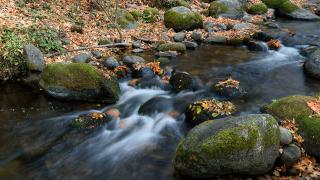
The Rogue River doesn’t just flow; it carves. Rafters chase its historic currents through untamed valleys, feeling the rush of water that has shaped this land for millennia. Hikers in Rogue River State Park follow rugged trails where ancient forests lean over rushing creeks. This wild theater stands in stark, beautiful contrast to the orderly rows of vineyards nearby. Adventurers breathe in crisp air and listen to the roar of the current. After such a day, the landscape naturally invites quiet reflection.
A Legacy Written in Sunlight
Light defines the Rogue Valley. Stone supports it. Together, they create a landscape that feels both ancient and alive.
Vines cling to slopes baked by summer heat. These plants thrive because the climate is unpredictable yet generous. Wild rivers carve through rock layers formed millions of years ago. This geological history isn't just background noise; it’s the foundation of the region’s identity.
You can taste this balance in every bottle. It’s not just about wine, though. It’s about how history and modern life coexist here. The land breathes. It changes with the seasons. And it invites you to slow down.
This isn't a place you just visit. It’s a place you feel. The legacy here isn't locked in museums. It’s in the soil, the sun, and the quiet moments between the vines. Oregon’s hidden gem doesn’t shout. It whispers. And if you listen closely, it tells a story of resilience and beauty that lasts.