




The Salt-Air Promise: Setting the Scene
The Pacific Northwest coast is not merely a backdrop; it is a living, breathing entity that demands respect. Here, rugged terrain meets the churning Pacific, creating an atmosphere that is as invigorating as it is unforgiving. To traverse this landscape, one must move with intention and preparation.
- Tip 1: Check the tide chart immediately. The tidal range here is dramatic; what appears as dry, firm sand at low tide can be submerged under churning water just hours later.
- Tip 2: Pack layers. The coastal climate is volatile, with cold winds sweeping in from the ocean. Dressing in layers allows you to adapt to sudden shifts in temperature and wind speed.
Top 5 Coastal Campgrounds: A Local's Guide
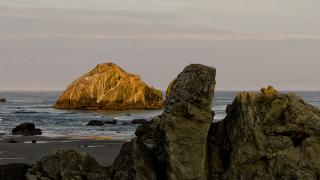
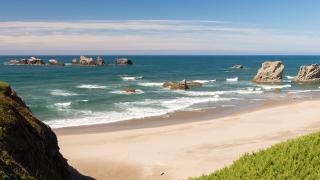
Navigating the Oregon shoreline requires more than a standard map; it requires a strategic approach to logistics. Start your journey at Cape Meagher, where the iconic sea stacks rise dramatically from the Pacific, offering a historic vantage point for observing tide pools. For those seeking a quieter retreat, Nehemiah Bay offers a sheltered cove with soft sand and gentle, rolling waves, ideal for a more relaxed pace. For those seeking true isolation, head north to the rugged, dune-strewn expanse of Hansville Beach (often locally referred to as part of the northern stretch), a remote area that feels worlds away from the crowds.
Safety remains the non-negotiable foundation of any coastal trip. Always verify the latest updates on the Oregon Department of Forestry website for fire restrictions or beach closures. Bring a tent with sturdy, reinforced stakes, as coastal winds can be fierce and unforgiving. Check tide charts daily, as high tide can quickly flood low-lying campsites. Pack warm layers even in summer, for the chill evening air that rolls in off the Pacific can be deceptive. This careful preparation ensures a safe, comfortable, and memorable coastal camping experience.
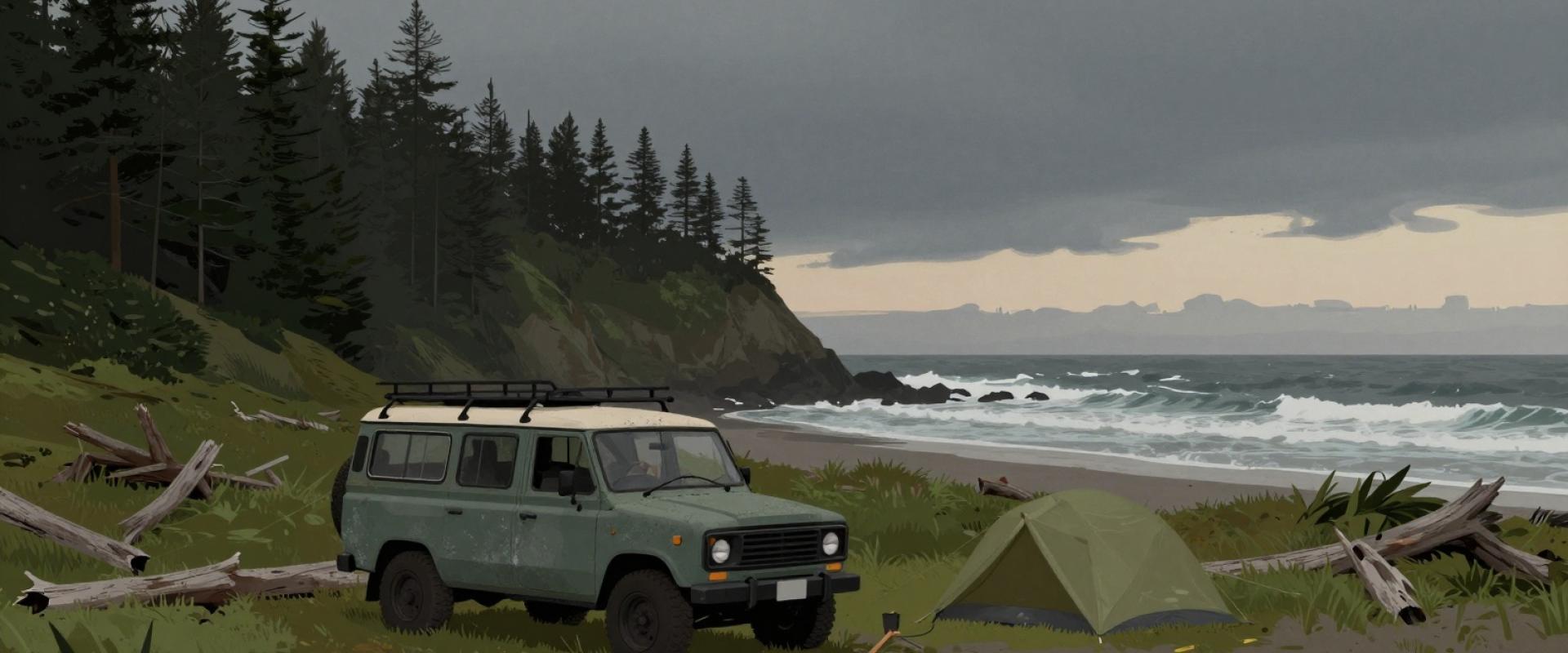
The Pacific Northwest coast does not merely invite rain; it often demands it. In this region, dampness is not a possibility; it is a baseline condition. You are not simply visiting a beach; you are entering a climate that actively tests your gear. A light drizzle is rarely a standalone event. It is usually part of a persistent, heavy mist that settles into the pine needles and clings to your skin.
This is where preparation becomes critical. Standard rain jackets often fail when the wind picks up, so consider gear with sealed seams and high-quality waterproof fabrics. Your clothing should prioritize warmth and dryness over style. Think wool, fleece, and technical fabrics that retain heat even when damp.
Flexibility is just as important as your clothing. The weather here is fickle. A sunny afternoon can transform into a cold, wet storm in a matter of minutes. Always check local forecasts before heading out, but do not rely on them exclusively. Conditions can change in the span of an hour. This is not a drill; it is a lesson in respecting the elements. By preparing thoroughly, you ensure your safety without letting anxiety take over. Stay dry. Stay warm. Stay safe.
Family-Friendly Adventures: Beyond the Tent
Step into the tide pools at low tide to turn a simple walk into an immersive lesson in marine biology. Spotting crabs and starfish in their natural habitat offers a tangible connection to the ocean that no textbook can replicate. If you prefer a bit more elevation, hiking the rugged coastal trails allows you to witness the raw power of nature, connecting you with the landscape on a deeper level. For a quieter moment, simply building sandcastles on the beach creates lasting memories without the need for complex planning.
Key details for a smooth experience:
- Check Tide Charts: Plan your exploration around low tide, as this is the only time you can safely access the tide pools.
- Pack Layers: Coastal weather shifts quickly; bring warm layers even on sunny days, as the wind can drop the temperature rapidly.
- Respect Wildlife: Keep a safe distance from birds and marine life to ensure you do not disturb their natural habitat.
- Leave No Trace: Pack out all trash to preserve the natural beauty of the coast for future visitors.
- Check Regulations: Verify specific rules for each beach, such as restrictions on open fires or pet access.
- Prepare for Wind: Coastal winds are relentless; wear windbreakers and secure loose items like hats and cameras.
- Stay Hydrated: Carry extra water, as the constant wind can cause dehydration faster than you might expect.
- Plan Ahead: Book campsites early, as popular spots fill up quickly during the peak summer season.
This approach ensures a safe and enjoyable experience for the whole family, allowing everyone to connect with the natural beauty of the Oregon coast. By following these guidelines, you create lasting memories while respecting the environment.
The Final Checklist: Ensuring a Smooth Trip
Oregon’s wild coastline demands respect, so start by securing your campsite reservation. State parks like Fort Stevens or Cape Meagher fill up quickly, meaning you must book well in advance to secure a spot.
Verify your specific permit requirements immediately. Coastal weather is unpredictable, and sudden rain can catch the unprepared off guard. Ensure your gear is ready for the elements.
Pack a sturdy, waterproof tent and warm layers, even in the height of summer. Check every zipper, stake, and seam for integrity before you leave. A small tear can become a major issue in a heavy rainstorm.
Review local regulations regarding waste disposal and fire safety. Many coastal areas enforce strict leave-no-trace principles to protect fragile dune ecosystems and tide pools. Dispose of trash only in designated bins. Check for fire restrictions, as dry conditions often ban open flames.
Plan your meals to minimize waste. Pack biodegradable soap if washing dishes outdoors. Arrive early to beat the crowd and set up camp before dusk.
Enjoy the Pacific Northwest’s wild beauty safely. Sleep well. Wake up to the sound of crashing waves.