The River’s Whisper: A Historical Prelude
The Columbia does not merely flow; it commands. Its slate-gray waters churn with a quiet, relentless power that has shaped the land long before human hands ever touched its banks. For the Clackamas people, this water was never a mere resource to be managed, but a living, breathing entity that defined their existence and spiritual identity.
That ancient rhythm changed in the age of steam. Where indigenous stewards once guided quiet, wind-driven canoes, heavy iron vessels soon took over, their clanking engines churning the same waters. This shift from sail to steam transformed a natural barrier into a commercial thoroughfare. Yet, the river’s deep, rhythmic pulse remains the unyielding heart of the landscape, visible beneath the surface of every passing vessel.
Whispers of Iron and Steel
The Columbia’s current is not just water; it is the engine of the Pacific Northwest. Here, the steel giants line the banks, their cranes stretching toward the sky like iron trees. These structures are not mere cargo handlers; they are the pulsing heart of a global economy, lifting the weight of international trade with precise, silent grace.
This is where the human element meets the industrial. It is a dance of steel and sweat, a rhythm defined by generations of labor. The port is not just a transit point, but a living, breathing entity that connects local communities to the wider world. The rust on old infrastructure meets the sleek efficiency of modern trade, creating a landscape that is both historic and cutting-edge. Each ship that passes is a story, a testament to the resilience of the people who build, maintain, and navigate these waters.
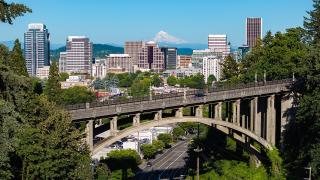
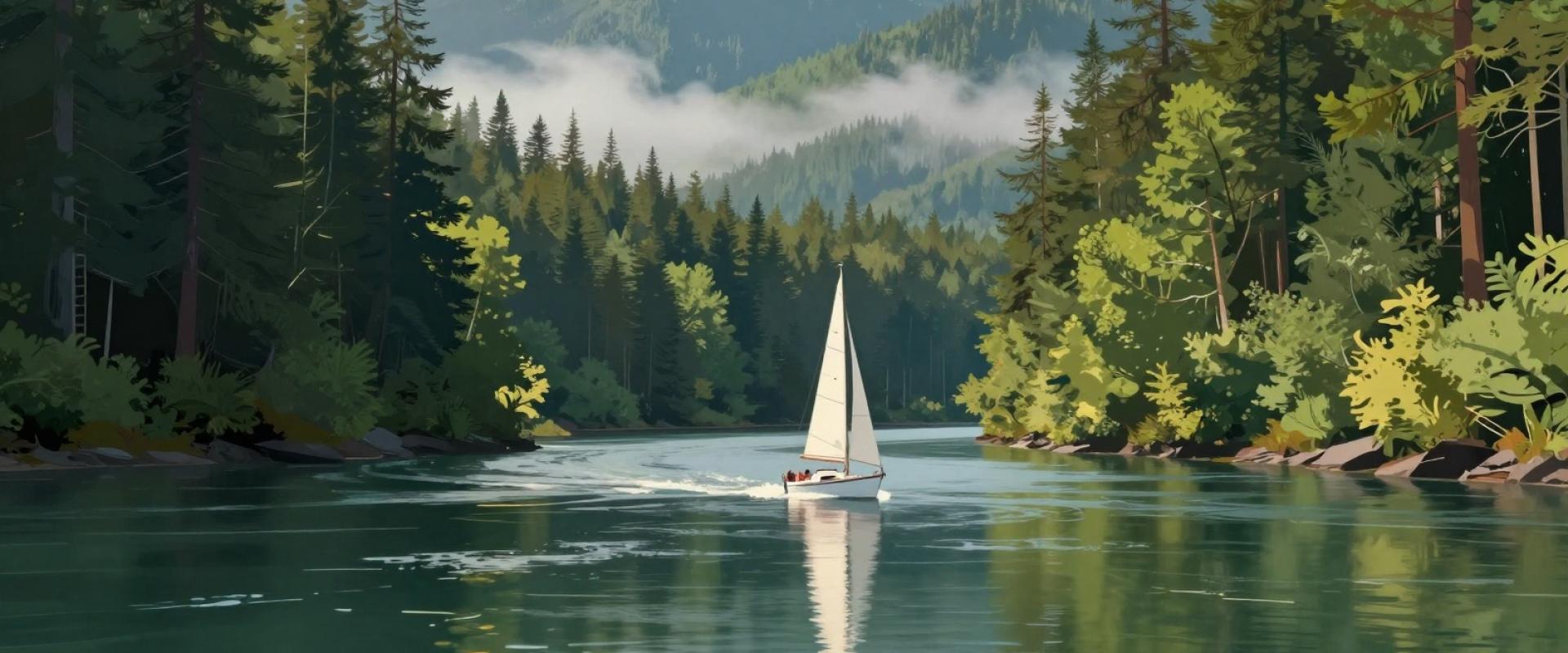
Sailing the Columbia River demands respect. It is not a passive stroll, but a dynamic dialogue with nature’s raw power. The wind, often fierce, shapes the experience, turning a simple cruise into an engagement with the elements. While the iconic bridges stand as silent, stoic sentinels against the sky, the true rhythm is set by the churning, slate-gray water below.
Late afternoon light casts long, stretching shadows over the historic waterfront, softening the industrial edges. Parking here can be a challenge, so consider arriving early or utilizing nearby public transit options. Once on the docks, the air is crisp, carrying the scent of pine and salt, a reminder of the wild beauty that surrounds us. This is not just a view to glance at; it is an immersion into the Pacific Northwest’s enduring relationship with the sea.
The Culinary Heart of the Harbor
The river’s rhythm dictates more than just navigation; it shapes the palate. We gather at waterfront tables where the day’s catch is prepared with the same precision as the tide’s ebb. Local chefs, rooted in the region’s rich soil, craft dishes that honor the land. You might find a bowl of creamy clam chowder, steeped in local tradition, or a plate of steelhead, delicate and flaky.
Each bite is a testament to the region’s deep connection to its waters. As we dine, the air remains crisp, carrying the scent of pine and salt. It is a simple, profound truth, felt in every spoonful and shared glance: the land and the sea are inextricably linked, and here, we are part of that enduring bond.