Echoes of the Rainforest: A Historical Prelude
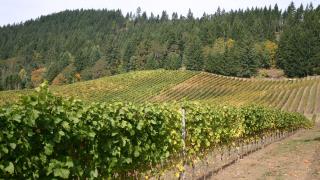
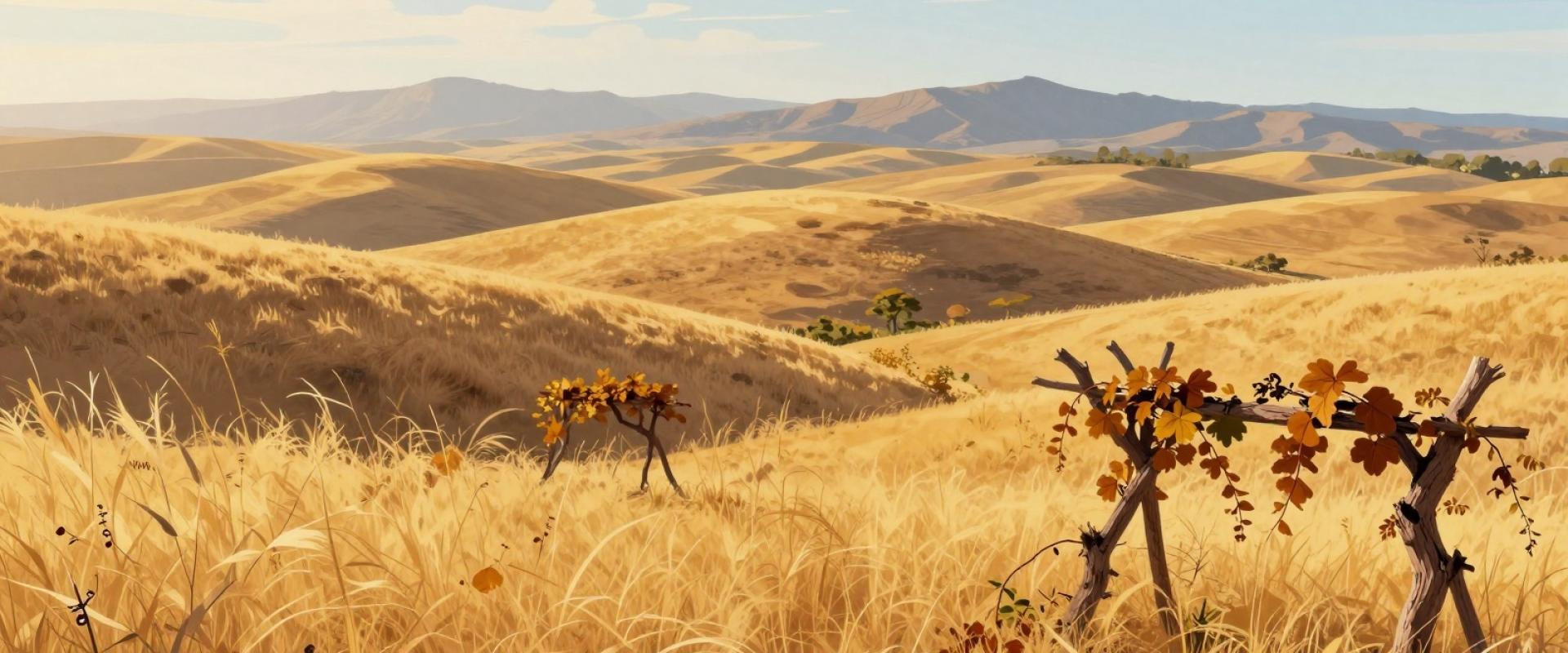
Nestled in the gentle embrace between the rugged Coast Range and the imposing Cascade mountains, the Willamette Valley unfolds as a sweeping, fertile crescent. This is not merely a geographic coordinate; it is a living, breathing entity defined by a unique microclimate that traps the sun’s warmth while being cooled by Pacific breezes. Here, over seven hundred wineries thrive, transforming rugged, wild landscapes into a global hub for fine wine. Yet, the true character of this region is defined by more than just soil or climate; it is shaped by a deep, enduring coexistence of ancient indigenous heritage and modern innovation. As the sun dips below the western hills, casting long, amber shadows over the vineyards, the air grows quiet. In this fleeting moment of twilight, one can reflect on the layers of history embedded in the land, from the ancient traditions of the native tribes to the modern artistry of viticulture. It is a testament to time, place, and the enduring human hand.
The Pinot Noir Pantheon: Ten Estates to Know
The heart of Oregon’s wine country beats within the Willamette Valley, where two-thirds of the state’s vineyards take root. For the traveler seeking authenticity, this region offers a landscape rich in both history and flavor. We begin our journey in the Dundee Hills, home to the elegant Domaine Serene. Their Jorie Pinot Noir, with its refined structure and deep complexity, offers a taste of the region’s potential, retailing at an accessible $85.
Traveling south, we arrive in the Eola-Amont Hills, a region known for its cooler climate and crisp acidity. Here, Domaine D’Auvenay (formerly Drouhin Oregon) stands as a testament to French tradition adapted to Oregon soil. A tasting flight here offers a nuanced exploration of character, costing approximately $25. In the nearby, cooler enclave of Ribbon Ridge, the same producer highlights distinct soil profiles. Here, single-vineyard selections, priced around $60, reveal the unique geologic identity of the land, offering a deeper, more mineral-driven experience.
Continuing the journey, we encounter the bold, mineral-driven Pinots of the Archery Estate in the Yamhill-Carnegie district. Their reserve tier, often surpassing the $100 mark, demands attention and reward with every sip. For a change of pace, the intimate atmosphere of Camerata Vineyard in the McMinnville area offers a more personal touch, with tastings available for just $20. Here, the diversity of the region is laid bare, showcasing the subtle differences in terroir.
Our final stop in this segment takes us to the edge of the Van Dizer Corridor. Here, the spirit of the region is captured not just in Pinot, but in the bold, complex blends that define the area’s character. Each estate, from the classic to the contemporary, offers a unique perspective on the land, connecting us to the ancient soils through the modern craftsmanship of the winemaker. This is not merely consumption; it is an engagement with history, geology, and human dedication.
A Culinary Symphony: Dining Beyond the Glass
Long before the first vine was planted in the Willamette Valley, indigenous communities tended to this fertile land, laying the groundwork for the agricultural richness that defines the region today. That deep connection to the land is mirrored in the local culinary scene, where food is not just sustenance, but a celebration of the land’s bounty. With two-thirds of the state’s wineries located here, the relationship between food and wine is intimate, inseparable, and deeply rooted in the local ecosystem.
In the heart of Newberg, the restaurant w (formerly Willa) stands as a testament to the power of hyper-local sourcing. Chef Paul Quatrebe has built a reputation on a menu that is as much about the land as it is about the palate. The famous duck fat fries, served with a crisp, salty crunch, are a perfect accompaniment to a crisp Pinot Gris, but the true magic lies in the harmony of the meal. It is a simple pleasure that anchors the diner in the present moment, celebrating the immediate, fresh flavors of the Pacific Northwest.
For those seeking a more refined experience, the options are vast and varied. The historic Willamette Valley Restaurant in Newberg offers a classic approach, where the menu is guided by the seasons. When the harvest shifts, so does the plate, ensuring that every visit feels fresh and unique. The Restaurant at the Lodge in nearby Portland, while an urban escape, offers a refined counterpoint to the rural roots of the region. Yet, for those who wish to stay within the valley, the experience is intimate and personal. The food is not just fuel; it is a celebration of the land, the weather, and the hands that tended it. Every bite becomes a memory of the Pacific Northwest, unique and unrepeatable.
Itinerary and Logistics
Oregon’s vast and varied landscape demands a measured pace. With over two hundred wineries spread across the region, rushing through is a disservice to the craft and the experience. We recommend structuring your visit around a four-day rhythm, allowing for depth rather than a superficial glance. This pacing prevents the fatigue that often accompanies over-scheduling, ensuring that each stop is savored rather than checked off a list.
Day one might find you wandering the historic streets of McMinnville, exploring its charming downtown and intimate tasting rooms. By day two, shift your focus to the rugged, scenic terrain of the Eola-Amity Hills, where the wind sweeps through the vineyards, cooling the grapes and adding complexity to the wines. This structure allows for a natural flow, moving from the urban center to the rural heartland.
Practical logistics play a crucial role in making this experience seamless. The Oregon Wine Board provides essential support for navigating these details, offering maps and resources to help you plan. It is wise to book accommodations in advance, as options fill quickly, especially during the harvest season. Since tasting fees vary widely, from complimentary to over $50, plan your budget accordingly. This approach ensures a leisurely, immersive experience rather than a rushed tour, allowing you to fully engage with the land, the wine, and the people who call the Willamette Valley home.