
3-day itinerary
Extended Newport Experience
Three-day exploration of Oregon's coastal Newport
- Length
- 3 days · 6 sights
- Pace
- Moderate
- Estimated cost
- $115 per person
- Based in
- Newport
Day by day
-
Day 1: Arrival and Historic Bayfront
Arrive in Newport, check into your hotel, and explore the historic downtown area. Start with a walk along the waterfront to see the iconic bridge and sea lions.
-
14:00
Walk across the historic 1936 bridge. Enjoy the views of the bay, the historic architecture, and the lively atmosphere of the downtown area.
About 60 min
-
15:30
Stroll along the waterfront, visit the historic fish docks, and watch the sea lions. Explore the local shops and galleries in the historic district.
About 1.5 hours
- Meals:
- Lunch at Downtown Newport; Dinner at Downtown Newport
- Where to stay:
- Stay in downtown Newport for easy access to restaurants and the waterfront. Options range from boutique hotels to bed and breakfasts.
- Getting around:
- Walking is sufficient for exploring the downtown area. A car is not strictly necessary for this day but is useful for the next day's activities.
-
14:00
-
Day 2: Marine Life and Coastal Geology
Dedicate the second day to exploring the unique marine biology and geological features of the Oregon Coast. Visit the world-renowned aquarium and the dramatic rock formations nearby.
-
09:00
Explore the world-renowned aquarium. See sea otters, sturgeons, and other marine life. Don't miss the touch pools and daily wildlife presentations.
About 2 hours
-
11:30
Drive north from Newport to the Devils Punchbowl. The drive takes about 15-20 minutes along the scenic highway.
About 60 min
-
13:00
Explore the deep bowl-shaped depression formed by sea erosion. Be cautious of the steep drop-offs and high waves. The view is spectacular, especially at low tide.
About 1.5 hours
-
15:30
Rest and Refresh
Take a break at a local cafe or park. Enjoy the coastal air and relax before heading back to the hotel.
About 60 min
- Meals:
- Breakfast at Near Aquarium; Lunch at Near Devils Punchbowl; Dinner at Newport or Lincoln City
- Where to stay:
- Stay in Newport or Lincoln City. Lincoln City offers more dining options, while Newport is closer to the aquarium.
- Getting around:
- A car is essential for this day to travel between the aquarium, the punchbowl, and other potential stops.
-
09:00
-
Day 3: Lighthouse Views and Marine Science
The final day focuses on the iconic lighthouse and the scientific aspect of the coast. Visit the historic Yaquina Head Lighthouse and the adjacent marine science center.
-
09:00
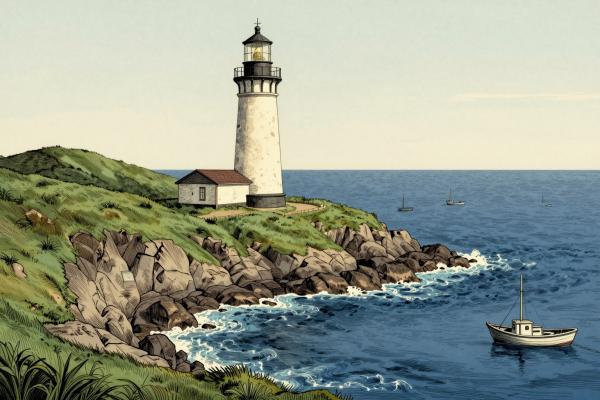
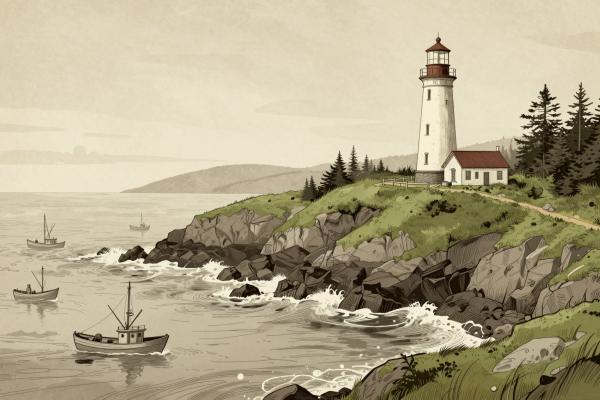
Visit the tallest lighthouse on the Oregon coast. Climb the tower for panoramic views of the coast, tide pools, and sea lions. Explore the attached museum for historical context.
About 2 hours
-
11:30
Hatfield Marine Science Center
Explore the interactive exhibits and learn about marine research. Observe resident scientists if they are present. This provides a deeper understanding of the marine ecosystem.
About 60 min
-
13:00
Lunch near Hatfield
Enjoy a light lunch at a cafe or restaurant near the Hatfield Marine Science Center. Options include cafes and casual dining spots.
About 60 min
- Meals:
- Breakfast at Hotel or nearby cafe; Lunch at Near Hatfield Marine Science Center
- Where to stay:
- Same as previous days. Depart after lunch or stay for one more night if desired.
- Getting around:
- A car is recommended for the final day to ensure flexibility in traveling between attractions.
-
09:00