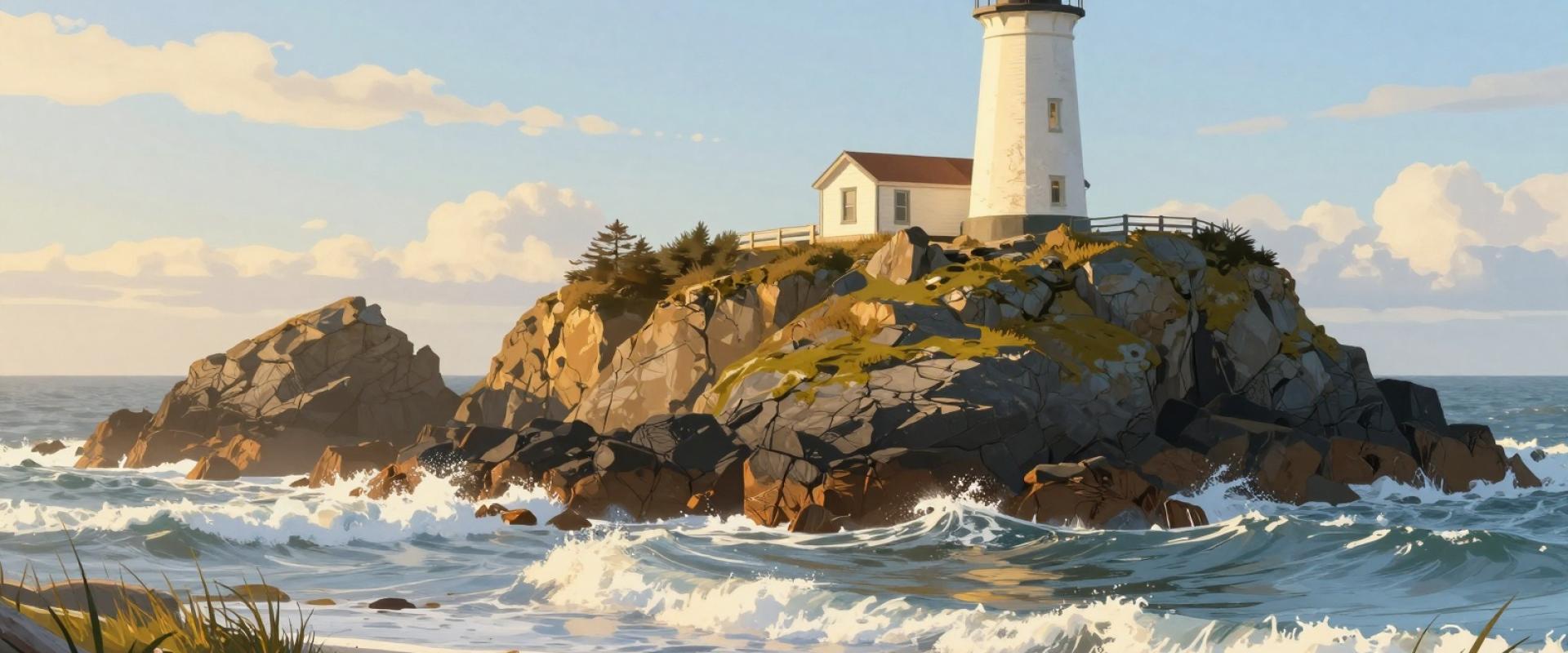
Coastal Edge and Cliffside Vistas
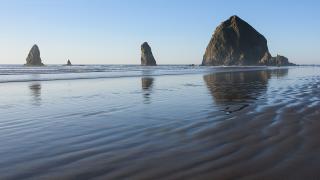
The Oregon Coast is not merely a stretch of sand; it is a 360-mile ribbon of dramatic geology that wraps around the state’s western edge. From the mist-laced bridges of Astoria to the fern-choked shores of Brookings, the landscape shifts with every mile marker, offering a tapestry of landscapes that demand to be seen, not just passed. Travelers moving north to south will notice distinct character changes in each town, transitioning from the historic maritime gravity of Astoria to the stark, photogenic sea stacks defining the southern coast.
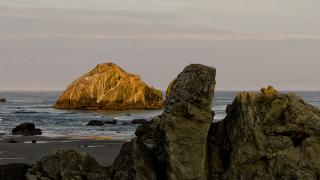
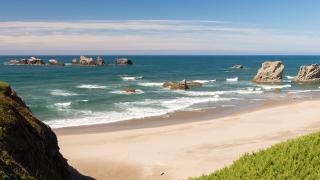
In Astoria, the iconic Astoria Column rewards visitors with panoramic views of the Columbia River mouth, a perfect spot to watch the heavy choreography of cargo ships navigating the narrow channel. Moving south, the terrain grows more dramatic. Bandon’s towering sea stacks rise sharply from the Pacific, creating a natural gallery for photographers and tide pool explorers. Here, the rock is not just background; it is the protagonist. Newport offers a different tempo, anchored by the historic Yaquina Head Lighthouse, where the tide pools teem with anemones and sea stars, inviting quiet observation.
The weather along this coast is a moody companion, capable of turning a sunny afternoon into a gray, wind-swept evening in mere minutes. This unpredictability is part of the charm, but it requires preparation. Packing waterproof layers and sturdy, grippy footwear is non-negotiable for navigating the wet, slick paths that line the cliffs. Before venturing near the water’s edge, always consult local tide charts. The ocean is a living entity here; low tide reveals hidden marine life, while high tide can make access dangerous or impossible.
While public transit serves the main hubs, a rental car remains the best way to reach the remote nooks and crannies. Plan your route around the winding scenic drives, allowing ample time for spontaneous stops where the light hits the waves just right. Even a detour inland to the Willamette Valley’s rolling hills feels like a necessary interlude, offering a change of pace before returning to the salt air.
The Willamette Valley: Roots and Vine
Just inland, the air changes. The coastal mist gives way to the rich, earthy scent of the Willamette Valley, a region that has earned its reputation as a global premier for wine. At the heart of this agricultural renaissance is Yamhill County, where the land itself seems to pulse with life. McMinnville, the area’s anchor, hosts over 500 vineyards, each with its own story etched into the soil.
This is not a place of sterile, corporate production. It is a landscape defined by heritage and personal touch. Visitors can wander through historic cellars, breathing in the notes of oak and old wood, or sample flights at boutique wineries that have been in the same families for decades. The hospitality here is not transactional; it is a warm, genuine welcome extended by vintners who are proud of their craft.
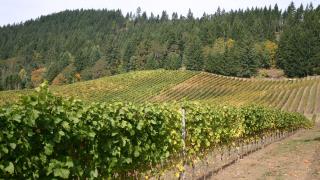
The visual rhythm of the valley is equally compelling. In the fall, the landscape bursts with color, the vines turning gold and crimson, providing a stunning backdrop that feels almost cinematic. Wildlife is abundant, with deer grazing in the meadows and eagles soaring above, adding a wild, untamed element to the cultivated beauty.
Southern Oregon: Wilderness and Culture
Traveling further south, the landscape transforms again. The coastal mist is replaced by the rugged, open sky of the Rogue Valley, where adventure meets refined culture. This is a land of dramatic contrasts, where the wildness of the river meets the comfort of human connection.
The Rogue River Experience For those seeking adventure, the Rogue River offers a thrilling escape. Book a half-day float with a reputable local operator, such as Rogue River Outfitters. Prices typically start around $100 per person, a small investment for a guided experience through the scenic gorge. The journey is both relaxing and engaging, offering a unique perspective on the canyon walls that rise steeply from the water. It is a reminder of the raw, untamed power of nature.
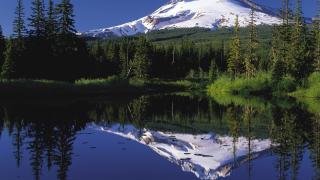
Crater Lake’s Deep Blue A short drive north leads to Crater Lake, where the landscape takes on a serene, almost otherworldly quality. The lake, formed by the collapse of Mount Mazama roughly 7,000 years ago, is the deepest in the United States, plunging 1,943 feet into the earth. The vivid blue color is a result of pure, filtered snowmelt, free from the algae and plants that cloud other lakes. This clarity creates a striking contrast against the rugged, volcanic peaks that surround it.
Cultural Resonance in Ashland The cultural heart of the region beats in Ashland, home to the world-renowned Oregon Shakespeare Festival. Just a short drive from Medford, this town draws visitors from across the globe, drawn by the promise of world-class theater. The atmosphere is vibrant, blending the historic charm of downtown Medford with the artistic energy of the festival. It is a place where literature, performance, and community intersect.
Practical Considerations When planning a visit, timing is everything. The best time to visit is during the shoulder seasons, spring and fall, when the weather is mild and the crowds are thin. Summer, while beautiful, can be hot and busy. Always check road conditions on the Oregon Department of Transportation (ODOT) website, especially if traveling in the winter months, as heavy snow can close high-elevation roads.
Practical Tips for Travelers
- Reserve Early: Book guide services and accommodations well in advance, especially for summer weekends.
- Layer Up: Temperatures can drop significantly after sunset, even in summer. Pack layers to stay comfortable.
- Fuel Up: Gas stations are sparse in remote areas. Fill up in larger towns like Medford or Ashland before heading out.
- Check Road Conditions: Always check for road closures or delays, particularly in winter or during periods of heavy rain.
This balance of outdoor adventure and cultural richness offers a comprehensive experience of southern Oregon. It is a place where you can find peace in the silence of the mountains, thrill in the rush of the river, and inspiration in the art and culture that define the region.