Crossing the Columbia: The Gateway to the Cascades
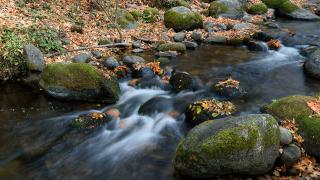
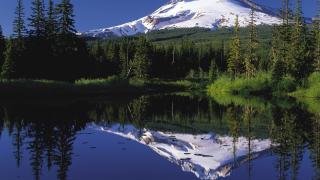
The transition from civilization to wilderness is not a gradual fade; it is a threshold crossed in a single, deliberate step. Standing at the edge of the pavement in Cascade Locks, the air immediately thickens, heavy with the damp, earthy scent of decaying cedar and wet moss. This is the entrance to the temperate rainforest, a dense, green cathedral where the canopy filters the daylight into a soft, muted haze. Here, the environment is not merely a backdrop; it is an active, breathing participant in your journey.
As you step off the solid ground of Highway 26, you must test your gear immediately. Ensure every seam is sealed and every strap adjusted against the omnipresent humidity that clings to the air. Trust in your preparation, for the wild does not wait for hesitation. The first steps are the heaviest, anchoring you to the world you are leaving behind while pulling you toward the unknown.
The High Desert Transition: Heat, Dust, and Exposed Rock
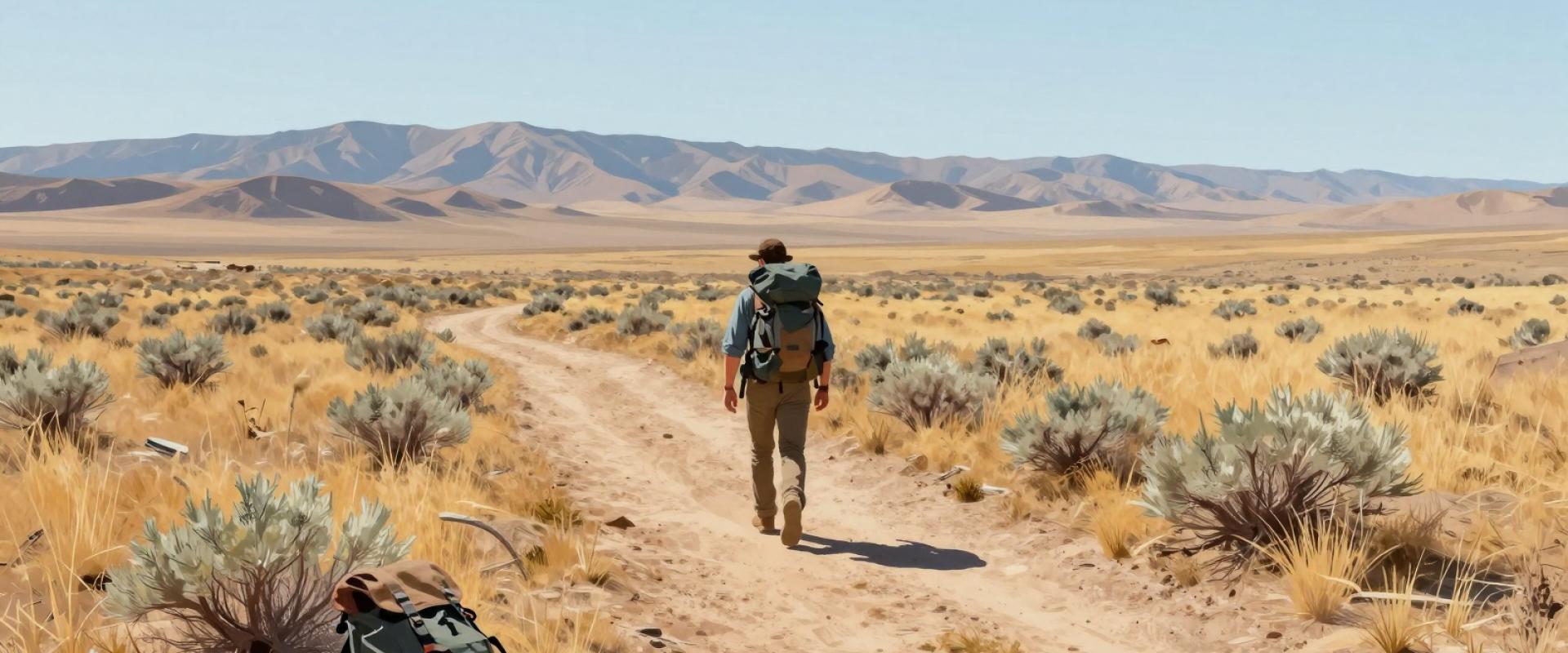
The shift in atmosphere is abrupt, almost violent in its contrast. One moment, the air is cool and mist-laden, wrapped in the damp embrace of the forest canopy. The next, the heat strikes, a dry, heavy blanket that settles over the land. This is the high desert, a landscape of exposed rock and arid dust that tests the limits of human endurance.
The trail here is less forgiving. The loose, rocky soil shifts underfoot, testing the stability of every step. Natural water sources become sparse, appearing like mirages in the distance, unreliable and far apart. Hydration ceases to be a suggestion; it becomes a critical, non-negotiable survival necessity. You must plan each stop with meticulous care, treating every drop of water as a precious resource.
The heat is intense, demanding respect and careful energy management. Plan your route to include rest in the shade during the hottest hours, moving only when the sun’s grip is less fierce. Stay alert to the subtle changes in weather and the changing heat levels. The high desert is challenging, but for the prepared hiker, it offers a profound, rugged beauty that is both punishing and rewarding.
The heat continues, wrapping around you in a thick, unyielding layer. Before taking a single step, check your water supply twice. This is not a casual stroll; it is a serious physical engagement with the land. The trail winds through vast fields of black, cooled lava, a stark, alien landscape that stretches out in every direction.
These volcanic rocks hold the heat long into the afternoon, turning the trail into a furnace. You are essentially on your own in these stretches, far from the protective shade of the pine forests that line the higher elevations. Self-reliance becomes your most vital tool. You cannot rely on chance or convenience; you must plan every detail, from the electrolyte balance in your body to the sun protection on your skin.
The pine forests offer a rare, cool respite, but they remain distant, visible only as distant, green silhouettes against the stark, black lava fields. Respect the environment, not just the path. The landscape is beautiful, but it is unforgiving to those who underestimate its power. Stay alert, hydrate continuously, and let the rugged, raw beauty of the land guide your pace.