Extended Portland Experience
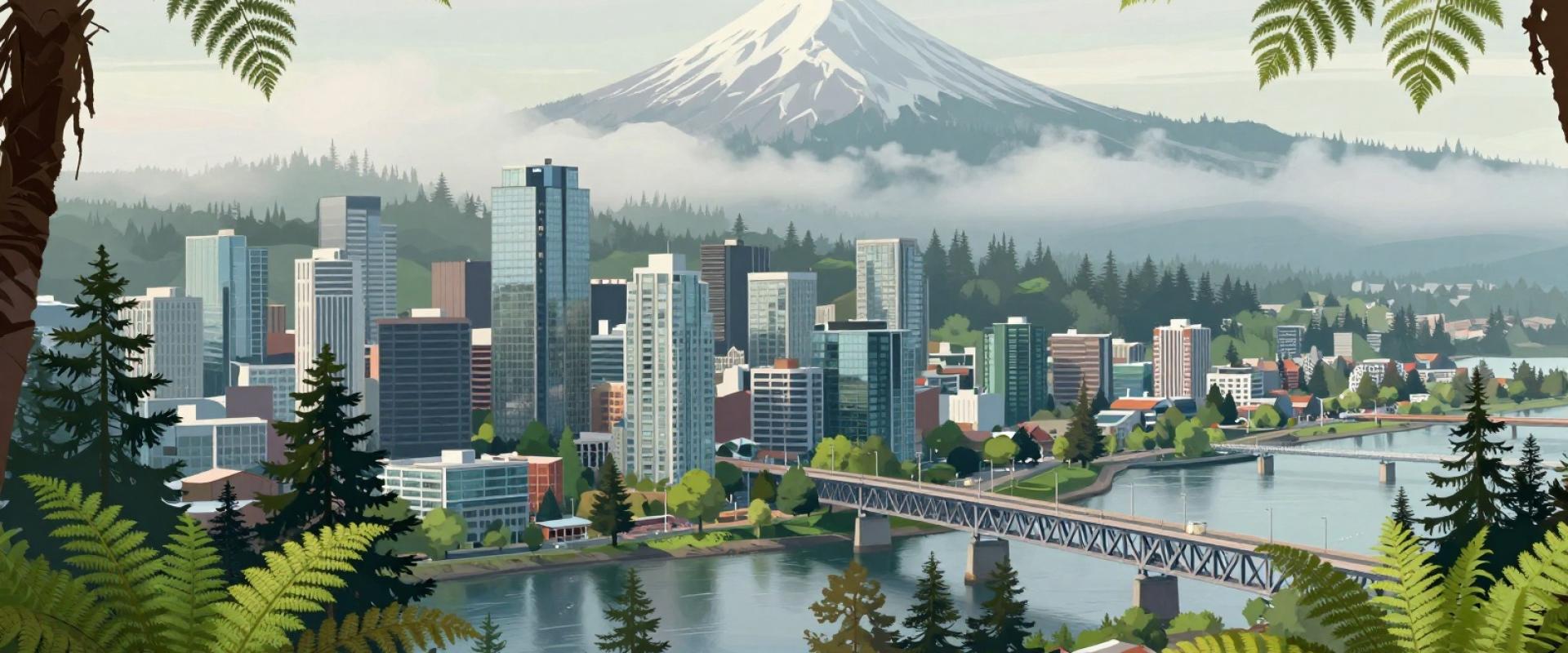
AI-generated illustration

Extended Portland Experience

3-day tour of Portland's neighborhoods and nature

3 days β€’ Moderate difficulty β€’ Est. $155

Day 1: Cultural Heart & Urban Exploration

Explore the vibrant downtown core, starting with the iconic bookstore, moving through the historic district, and ending with a relaxing evening by the river.

  • 09:00

    Powell's City of Books

    Explore the world's largest independent bookstore. Wander through the color-coded rooms and discover rare books, local history, and new releases.

  • 10:30

    Pioneer Courthouse Square

    Walk through the 'living room of the city.' Admire the historic 1875 courthouse facade and enjoy the vibrant atmosphere of the plaza.

  • 12:30

    Lunch in Pioneer Square

  • 14:00

    Lan Su Chinese Garden

    Visit the authentic classical Chinese garden in the US. Admire the intricate rock formations, pavilions, and tranquil ponds.

  • 16:00

    Portland Art Museum

    Visit the oldest art museum in the Pacific Northwest. View the Mark Rothko Pavilion and other diverse collections.

Meals: Breakfast at Local Cafe , Lunch at Pioneer Square , Dinner at Pearl District

Where to stay: Stay in the Pearl District or Downtown for easy access to cultural sites and dining.

Getting around: Walking is sufficient for most activities. Use MAX Light Rail for longer distances or airport transfers.

Day 2: Nature & Views: Washington Park & Beyond

Dedicate the day to exploring the lush, green spaces of Washington Park and enjoying panoramic views from the city's highest points.

  • 09:00

    Portland Japanese Garden

    Experience the 12-acre authentic Japanese garden. Admire the eight distinct styles, including the Stroll Garden, Tea Garden, and Pond Garden.

  • 11:00

    International Rose Test Garden

    Located in Washington Park, this garden features over 600 varieties of roses. It is the oldest public rose test garden in the United States.

  • 13:00

    Oregon Zoo

    Visit the historic zoo west of downtown. See the naturalistic wildlife habitats and participate in conservation-focused exhibits.

  • 15:30

    Pittock Mansion

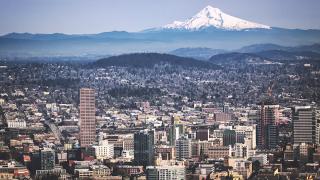
    Take a short drive or bus ride to the historic French Renaissance estate. Enjoy panoramic views of the city and Mount Hood from the estate grounds.

Meals: Breakfast at Local Cafe , Lunch at Washington Park Area , Dinner at Northwest District

Where to stay: Same as Day 1. The area is quiet and residential, ideal for rest.

Getting around: A car or rideshare is recommended for the trip to Pittock Mansion. The MAX Blue Line is also a convenient option to reach Washington Park.

Day 3: River Views & Local Flavors

Spend the final day exploring the waterfront, enjoying the local atmosphere, and taking in the city skyline from the riverfront.

  • 09:00

    Tom McCall Waterfront Park

    Stroll along the riverside park. Enjoy the views of the city skyline and the Willamette River. Perfect for a morning walk or jog.

  • 10:30

    Portland Saturday Market

    Visit the open-air arts and crafts market operating since 1974. Browse unique handmade goods beneath the Burnside Bridge.

  • 12:30

    Oregon Museum of Science and Industry (OMSI)

    Explore the interactive science and technology museum. See the decommissioned submarine and enjoy the planetarium show.

Meals: Breakfast at Downtown Hotel , Lunch at Downtown Portland , Dinner at Downtown Portland

Where to stay: Final night in downtown Portland. Easy access to the airport via MAX Light Rail or taxi.

Getting around: Walking is sufficient for most activities. Use MAX Light Rail for longer distances or airport transfers.

Practical Information

Portland’s optimal visiting window spans late spring through early fall, specifically May through September. During these months, daytime temperatures typically range from the mid-60s to mid-70s Fahrenheit, offering ideal conditions for exploring the city’s outdoor spaces and the nearby Columbia River Gorge. While the summer months are dry and sunny, they also attract the highest volume of tourists, leading to increased accommodation costs and crowded attractions. If you prefer fewer crowds, consider visiting in late spring or early fall, though be prepared for a higher likelihood of rain, particularly in the early morning or late evening. Getting around is straightforward, as Portland is highly walkable and bike-friendly, particularly in the downtown and Pearl District areas. The TriMet public transit system, including the MAX Light Rail and streetcars, is efficient for reaching major hubs like the Pearl District, the Eastside, and the waterfront. For those staying in these central neighborhoods, walking or biking is often the most convenient and cost-effective way to explore. For day trips to the Columbia River Gorge, renting a car provides the necessary flexibility, as public transit options to the more remote trailheads are limited and infrequent. Accommodation is best centered in the Pearl District, Downtown, or the Pearl District’s adjacent neighborhoods for easy access to dining and cultural sites. The Pearl District, in particular, offers a high concentration of boutique hotels and boutique-style accommodations within walking distance of major attractions like the Portland Art Museum and the Portland Public Market. For a more local experience, consider boutique inns in the Alberta Arts District or the Pearl, which offer a quieter atmosphere while remaining close to transit lines. Budget considerations should account for the high cost of dining, particularly in the popular food cart pods and upscale restaurants. While many attractions, such as walking tours and park visits, are free, budget for paid entry to specific attractions like the International Rose Test Garden or the Portland Aerial Tram. Additionally, allocate funds for transportation, whether renting a car for day trips or using public transit, and consider purchasing a TriMet pass for unlimited travel on buses and light rail. When packing, prioritize layers, as Portland’s weather can shift rapidly, especially in the spring and fall. Essential items include a waterproof jacket, comfortable walking shoes, and layers that can be added or removed as temperatures change. If you plan to explore the Columbia River Gorge, pack sturdy hiking boots and rain gear, as trails can be muddy and weather conditions can change quickly. Additionally, bring a reusable water bottle, as tap water is safe and widely available, and consider a portable charger for your devices, as you will likely be using your phone for navigation and photos throughout the day.

Book your stay

More Itineraries