


Salem does not merely occupy space; it anchors it. While the city was officially incorporated in 1859, its soul is best understood not in legislative archives, but in the compact, cobblestone-adjacent streets of its downtown core. Here, the air feels different—thicker, perhaps, charged with the static of history. At the heart of this district, seven specific buildings form a historic grid that defies the modern tendency toward uniformity.
This is not merely a visual backdrop. It is an immersive experience. When you step onto the pavement, you are walking through a living archive. The air is heavy with the scent of old stone and the quiet hum of a community that has learned to breathe in rhythm with its past.
Skyline and Street: A Dialogue of Eras
The visual narrative of Salem’s downtown is a study in contrasts, anchored by the imposing, white-marble presence of the Oregon State Capitol. To the untrained eye, it might seem like a standard government edifice, but look closer. Built after the 1935 fire that gutted the previous structure, it is a testament to resilience wrapped in classical elegance.
Yet, the true dialogue happens in the interstices. Just steps away from the Capitol’s stern facade, the Old First National Bank Building stands as a counterpoint. Its 1927 structure, adorned with intricate griffin motifs, offers a striking visual contrast to the Capitol’s austerity. This is not an accidental clash of styles, but a harmonious dialogue between eras. The heavy, ornate stonework of the 1920s complements the sleek, functional lines of later developments, creating a streetscape that feels both timeless and alive.
As you walk, notice the textures. The brickwork is not merely decorative; it is a historical artifact. The griffin’s stone gaze, the intricate ironwork, the smooth marble—all of it tells a story. This is not just sightseeing; it is an excavation of memory.
Beneath the Pavement: The Secret World
While the surface is grand, the true pulse of Salem beats beneath the concrete. If you pause and look down, you will see the subtle grates and manhole covers that mark the city’s hidden veins. These are not just utilitarian access points; they are the gateways to a secret world.
The city operates on a dual rhythm. Above ground, there is the bustle of trade and tourism. Below, a complex network of utility tunnels hums with the silent, steady work of infrastructure. This subterranean layer is the skeleton that supports the body of the city. To understand Salem is to understand that it is built on two levels: the visible stage of commerce and the silent, vital engine that keeps it running.
This duality is not a flaw, but a feature. It reminds us that every stone facade is supported by a web of unseen labor and engineering. When you walk, you are not just traversing space; you are navigating a living, breathing organism.
Savoring the Season: Culinary Rhythms
The transition from architecture to cuisine is seamless in Salem. Just beyond the historic facades, the local dining scene opens its doors, blending tradition with modern creativity. Here, the story is not just in the walls, but on the plate.
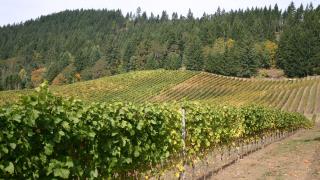
The local restaurants draw from the rich agricultural bounty of the Willamette Valley. The food is not an afterthought; it is the culmination of the land’s generosity. Imagine the crisp snap of a locally grown vegetable, the deep, earthy flavor of a slow-roasted dish, or the bright, fresh taste of a local wine. These are not just meals; they are expressions of place.
As you dine, the history outside the window seeps into the experience. The same hands that laid the stones of the Old First National Bank may have tended the fields that provided the ingredients. This connection is subtle, but it is there. It is in the care with which the food is prepared, the passion in the service, and the shared laughter of those gathered around the table.
The Final Step: A Journey’s End
The journey ends where it began, but the perspective has shifted. You stand once more before the Oregon State Capitol, the white marble gleaming in the light. The structure remains unchanged, but you have changed. You have seen the layers, felt the weight of history, and tasted the local soul.
This is the final step, but it is not an end. It is a continuation. The memory of Salem is not just in the stones or the food, but in the way you now see the world. You carry the spirit of the place with you, a quiet resonance that lingers long after the journey is over.
The road ahead is open, but the imprint of Salem remains. It is a small, enduring gift, a reminder that even in the most transient of moments, there is a place that holds you, a place that remembers.