When and Where the Snow Falls
Oregon's lowlands rarely keep snow for long, but the Cascades and the mountains of southern and northeastern Oregon get plenty. The season usually builds in December, and January through March is the most reliable period for snow play at mid elevations, with storms rolling in from the Pacific every few days. Snow levels can swing dramatically: a rain-on-snow storm can wipe out a sledding hill overnight, and a cold snap can bring snow down to the valleys. Check a mountain forecast, not just the city forecast, before you set out.
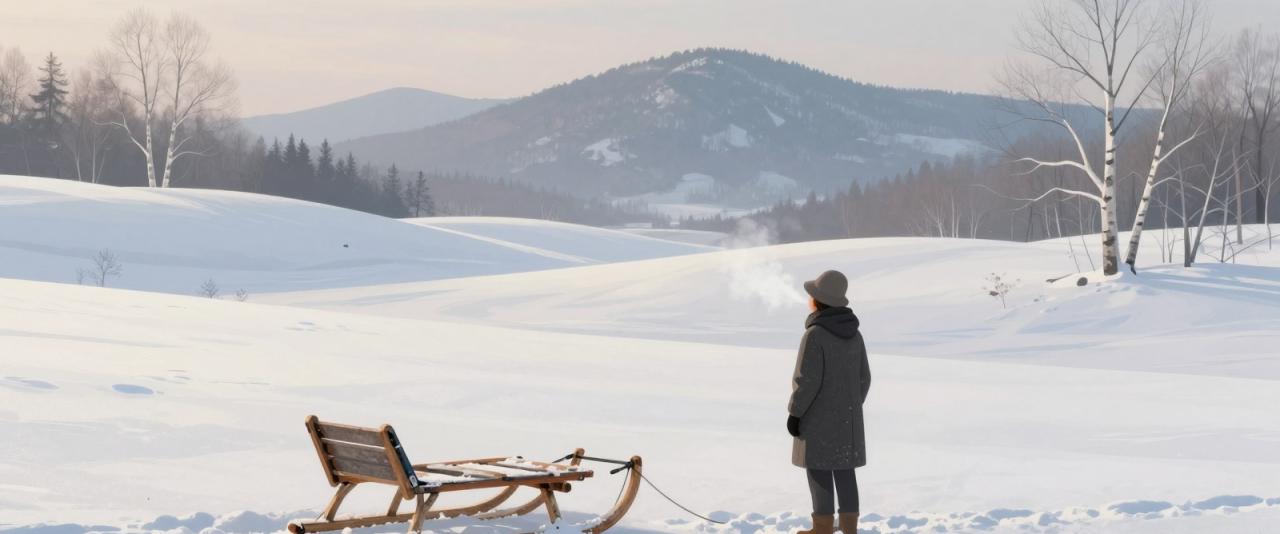
Most snow play happens at Sno-Parks, plowed parking areas run by the Oregon Department of Transportation and local partners. Some have designated sledding hills, warming shelters and restrooms; others are trailheads for cross-country skiing, snowshoeing and snowmobiling.
Sno-Park Permits
From November 1 through April 30, every vehicle parked at an Oregon Sno-Park needs a Sno-Park permit. Daily, three-day and annual permits are sold by the Oregon DMV, online and at many ski shops, gas stations and outdoor retailers in mountain towns. Buy one before you leave home, since vendors near the mountain can run out on busy weekends, and fines apply without one.
Mount Hood
Mount Hood, about an hour and a half from Portland, has the most options. On the south side near Government Camp, several Sno-Parks serve sledders, snowshoers and skiers. On the east side along Oregon 35, Little John Sno-Park has a sledding hill and a warming shelter, and White River West Sno-Park is popular for both sledding and snowshoeing with views of the mountain. Trillium Lake is a gentle snowshoe or cross-country ski route on the unplowed road and around the lake.
For a supervised option, Mt. Hood Skibowl in Government Camp runs a snow tubing area with groomed lanes and a lift, which takes the hike out of sledding for young children. Ski areas, including Timberline, do not allow sledding on their ski runs; use Sno-Parks or tubing areas instead.
Central and Southern Oregon
Near Bend, Wanoga Sno-Park on the Cascade Lakes Highway has a dedicated snow-play area with sledding hills, making it a favourite with families from Bend and Sunriver. Farther west on Santiam Pass, Hoodoo ski area runs a tubing park.
In the south, the BLM's Table Mountain Winter Play Area, in the Cascades east of Ashland near Hyatt Lake, is a sledding and tubing hill with an enclosed warming shelter overlooking it. The shelter has a wood stove but no firewood, so bring your own. The parking area fills on sunny weekends, so arrive early. The area also gives access to cross-country ski and snowmobile trails around Hyatt Lake. Mt. Ashland ski area, south of town, adds downhill skiing and snowboarding.
Crater Lake in Winter
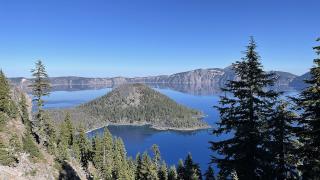
Crater Lake National Park receives some of the heaviest snowfall in the state, often more than 40 feet in a season. In winter, the road is plowed only to Rim Village on the south side, where you can look over the snow-covered caldera when skies are clear. Rangers have led free snowshoe walks from Rim Village on winter weekends and holidays, with snowshoes provided; places are limited, reservations are required, and a minimum age applies, so call the park's visitor centre ahead. Experienced skiers and snowshoers can explore further on their own, but avalanche and cornice hazards along the rim are serious.
Gear and Safety
- Layers. Dress children in a waterproof outer layer over wool or synthetic layers, with spare gloves and socks. Cotton gets wet and cold fast.
- Helmets. A ski or bike helmet is sensible for sledding, especially on fast, icy hills.
- Check the run. Look for trees, rocks, roads and parking areas at the bottom before anyone slides, and sled feet-first.
- Food and warmth. Pack hot drinks and snacks; most Sno-Parks have no food for sale.
Winter Driving
Mountain highways can change from bare pavement to packed snow within a few miles. Oregon requires vehicles to carry chains or traction tires when signs say so, and chains may be required even for some four-wheel-drive vehicles in severe conditions. Check ODOT's TripCheck website for road conditions and webcams before leaving, fill up with fuel, carry warm clothes, water and a shovel, and allow extra time. Weekend mornings bring heavy traffic toward Mount Hood and Mount Bachelor, so leaving early or going midweek makes for a calmer day.