The Emerald Canvas: Where Indigenous Roots Meet Modern Whisper
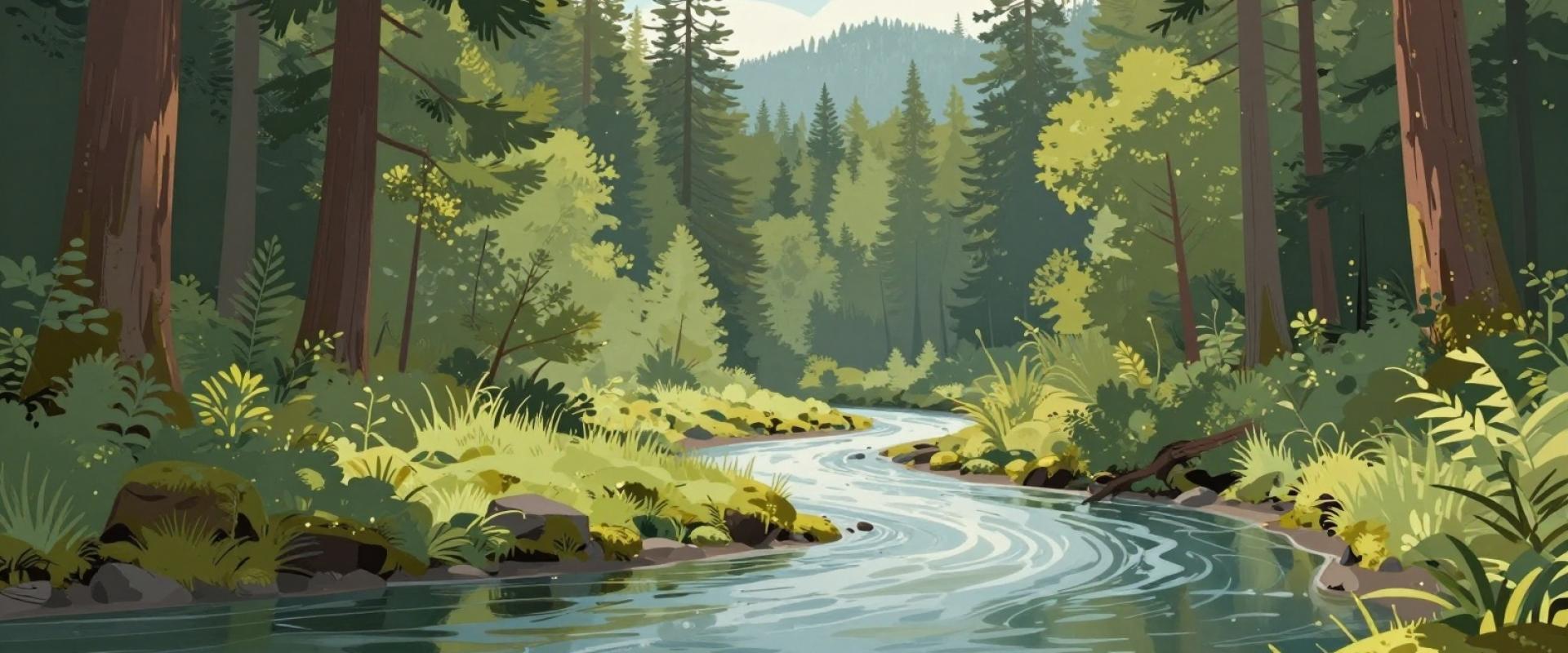
The Willamette and McKenzie rivers do not merely meet here; they collide. This geological pause in the Pacific Northwest’s relentless flow marks the birth of Eugene, a convergence that serves as the land’s foundational rhythm. Long before modern streets were laid, this valley was stewarded by the Calapooia, Takelma, and other Indigenous peoples, who wove a cultural narrative stretching back millennia.
Today, the air buzzes with the academic energy of the University of Oregon, yet the soil retains older, deeper pulses. We tread on ground holding profound memory, where contemporary art thrives alongside ancient resilience. Street murals near Riverfront Park do not erase history; they converse with it, creating a dialogue between past and present. Walking these avenues requires acknowledging time’s layered depth. The community’s creative spirit grows from a continuous, enduring relationship with this landscape. It is not merely a backdrop, but an active presence shaping regional identity. We are guests here, moving through a space rich with history and a quiet, persistent spirit.
Whispers in the Lanes
Eugene’s creative energy refuses to stay confined to a single zip code. It spills from lecture halls into the streets, where academic theory meets raw, hands-on making. This blend is visible in how local artisans weave natural elements into their work, a direct reflection of the Pacific Northwest’s lush surroundings.
Walk down Willamette Street, and you might notice the intricate stained-glass details in the historic buildings. These are not just architectural facades; they are testaments to a community that values craft over speed. In the Pearl District, preserved Victorian homes offer a quiet backdrop for this activity, where the pace of life encourages deep observation rather than hurried consumption.
Artists here do not shout for attention. They work in small studios above coffee shops, their presence felt in the subtle details of murals and installations scattered across the city. It is a place defined by the steady, quiet persistence of creation, where every corner holds a small, unexpected discovery for those willing to look closely. The artistic pulse beats in diverse neighborhoods rather than a central hub. The city’s identity emerges through the convergence of academic rigor and creative freedom. Local artisans and visionaries shape a community where the boundary between studio and street blurs. One might wander past historic architecture, noting how the region’s natural beauty influences local craftsmanship. This is not merely a transit point but a destination where the slow exploration of culture takes precedence. The air feels charged with the quiet intensity of creators, from students to seasoned professionals, all contributing to a vibrant, accessible tapestry. It is a place where the spirit of the Pacific Northwest thrives not in grand gestures, but in the quiet, persistent act of making.
Sips and Stories: The Café Culture of Eugene
Morning light spills across worn wooden tables at Coava Coffee Roasters, where the air carries the sharp, nutty aroma of freshly ground beans. Locals do not just pass through; they linger. The rhythm here moves at the pace of the Willamette River—steady, deep, and quietly powerful.
Patrons cluster near large windows, debating everything from local zoning laws to the merits of indie folk music. A student scribbles notes in a leather-bound journal while a professor sips an espresso, lost in thought. These spaces function less like commercial enterprises and more like living rooms for the community.
The hum of conversation blends with the hiss of the steam wand. It is a shared experience, rooted in the city’s history of activism and artistic innovation. You can feel the weight of that history in the murals on the walls and the serious look in people’s eyes as they discuss the next community project.
Coffee becomes the medium, not the message. It facilitates connection among strangers who might otherwise never meet. In Eugene, a cup of coffee is simply an excuse to stay a little longer, to listen, and to engage with the world right outside the door. The city’s coffee shops serve as intellectual hubs where the Willamette’s quiet rhythm meets vibrant debate. At the Pearl District, patrons sip complex roasts while discussing local arts, mirroring the city’s deep cultural roots. The air fills with the scent of roasted beans and intellectual curiosity. Students and scholars gather, turning simple cups into catalysts for community connection. This is not just a place to drink; it is a sanctuary for the mind. The atmosphere hums with the quiet intensity of creative thought, anchoring the community in shared intellectual pursuit.
The Living Archive: History in the Heart of the City
Eugene’s creative pulse beats just beyond the university gates. Here, Indigenous heritage and modern art collide in unexpected ways. Walk down Lane Avenue, and you will spot the vivid murals on the side of the First Street Brewing building. These are not just decorations; they are conversations about land and identity.
Students and locals mingle at places like the Pearl District Coffee House, debating philosophy over oat milk lattes. This blend of academic rigor and artisanal craft defines the downtown area. You can feel the weight of history in the cobblestones and the lightness of innovation in the street performers’ sets.
The city’s past is not locked away in dusty archives. It lives in the weekly farmers' markets at the Lane County Courthouse. Residents gather there, not just to buy produce, but to exchange stories. Local galleries like the Museum of Natural and Cultural History rely on this community energy to keep exhibitions dynamic.
Sustainability is not a buzzword here; it is a practice. People repair their bikes at local shops rather than buying new ones. They attend town halls to discuss urban planning. This active engagement ensures that Eugene’s character remains visible, tangible, and deeply rooted in the present moment.