Planning a Family Trip Around Oregon
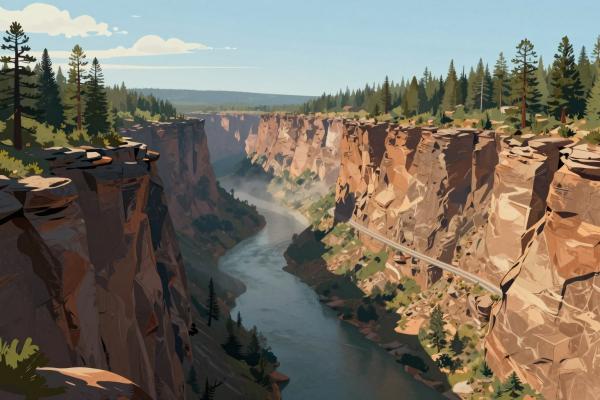
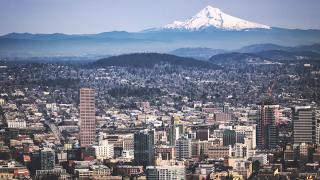
Oregon packs a lot of variety into a few hours of driving: rainforest-like woods, a long public coastline, farm and wine country, the Columbia River Gorge and the drier south. With children, the trick is to choose a few bases and keep daily drives short. The ideas below link up into a loop from Portland: west to Astoria and the coast, back through the Willamette Valley, east into the Gorge, and south to Medford if you have more time.
A few general points apply everywhere. Summer is the most reliable season for weather; the coast stays cool and often foggy even in July, so pack fleeces and rain jackets. Popular state park campgrounds and coast lodging book up months ahead. Many trailheads need a parking pass, such as a Northwest Forest Pass or a state park day-use permit.
Big Trees and Easy Forest Walks
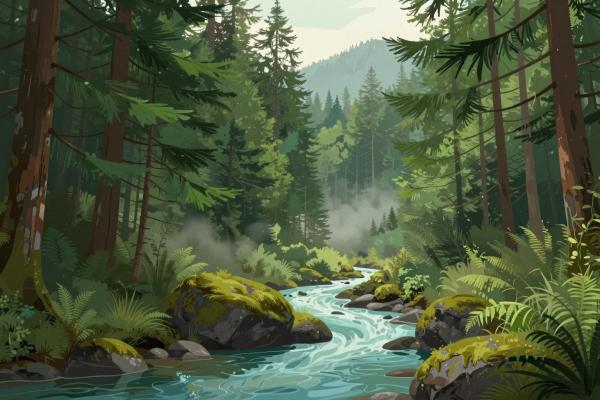
You do not need a long hike to see big trees. In Astoria, the Cathedral Tree Trail climbs through forest to the Astoria Column; it passes a huge Sitka spruce and is short enough for most children. On the north side of Mount Hood, the Lost Lake Old Growth Trail is a level, mostly boardwalk path through big cedars and firs beside the lake.
East of Salem, Silver Falls State Park is the best family waterfall park in the state. The Trail of Ten Falls is a full loop of about seven miles, but a short walk from the South Falls day-use area leads behind South Falls itself, where the trail passes through a cavern behind a curtain of water.
Astoria and the Coast
Astoria sits at the mouth of the Columbia River. Climb the 164 steps of the Astoria Column, a mural-covered tower on the hill above town, and throw a balsa-wood glider from the top. Down by the water, the Columbia River Maritime Museum explains how ships cross the dangerous Columbia River Bar, and children can tour the lightship Columbia moored outside.
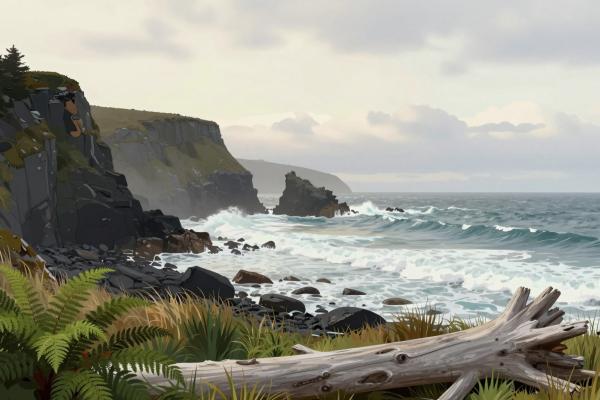
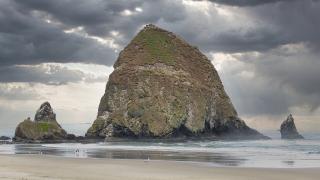
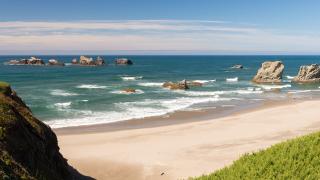
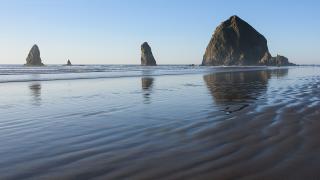
West of town, Fort Stevens State Park has the rusting wreck of the Peter Iredale on the beach, a freshwater lake for swimming and paved bike trails. South along the coast, Cannon Beach's Haystack Rock has excellent tide pools at low tide, often with volunteer naturalists on the beach. Check a tide table, keep everyone on bare rock, and never turn your back on the waves.
McMinnville and the Valley
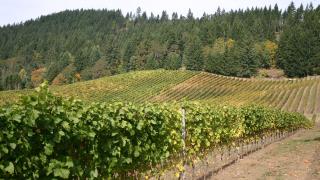
McMinnville, in the Willamette Valley wine country, is a good stop on the way back from the coast. The Evergreen Aviation & Space Museum houses Howard Hughes' giant wooden flying boat, the Spruce Goose, among dozens of aircraft and spacecraft. Next door, the Wings & Waves Waterpark, with a jumbo jet on its roof, is an indoor water park that works in any weather. McMinnville's walkable Third Street has family-friendly restaurants, and in summer the valley's U-pick farms sell berries by the bucket.
Cascade Locks and the Gorge
East of Portland, the Columbia River Gorge has some of the best short waterfall walks in the country. Multnomah Falls is the famous one; in recent summers, visitors arriving by car on I-84 have needed a timed-entry permit, so check before you go. Latourell Falls and Wahkeena Falls are good, less crowded alternatives.
At Cascade Locks, the town is named for navigation locks completed in 1896 to get boats around rapids on the Columbia; they were submerged when Bonneville Dam raised the river in 1938. Today Marine Park has a small historical museum, picnic lawns and views of the Bridge of the Gods, where the Pacific Crest Trail crosses into Washington. Seasonal sternwheeler cruises have run from the park; check current schedules.
Medford and Southern Oregon
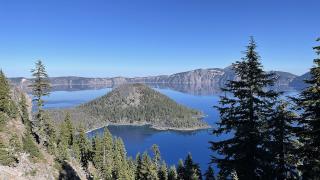
If you have time to head south, Medford is a practical base. The Table Rocks north of town are flat-topped mesas with trails of a few miles round trip and spring wildflowers on top; dogs are not allowed. Jacksonville, a short drive west, is a preserved gold-rush town with summer concerts at the Britt Festival. Crater Lake National Park is about two hours away; the Rim Drive is usually fully open only from about July to October. North on I-5 near Roseburg, Wildlife Safari is a drive-through animal park that children tend to love.
Keep drives to two or three hours a day, build in a rest day at each base, and let tide times and weather decide which day is the beach day.